

There is always this allure of living in a foreign country. The experience and exposure to different cultures are why many people consider moving abroad. Although the idea of living in a new country can be exciting, the process of immigration is never so straightforward. There are always challenges that come along the way that can make your stay in the new country a little bit of a struggle.
However, if you are well-prepared, you can overcome these challenges and enjoy your new life. So keep reading. Today, we’ll share with you some of the best travel hacks that will help you survive your immigration journey and make it more comfortable.
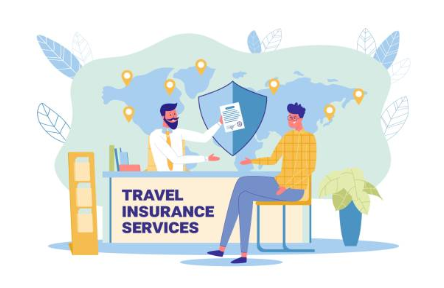
Invest in Travel Insurance
Imagine during your flight, your wallet gets stolen, and all your cash and important documents are gone in an instant. Don’t let this nightmare scenario ruin your trip – invest in the best travel insurance plan. Travel insurance is basically going to be your safety net that provides financial protection against any unforeseen event during …
Read More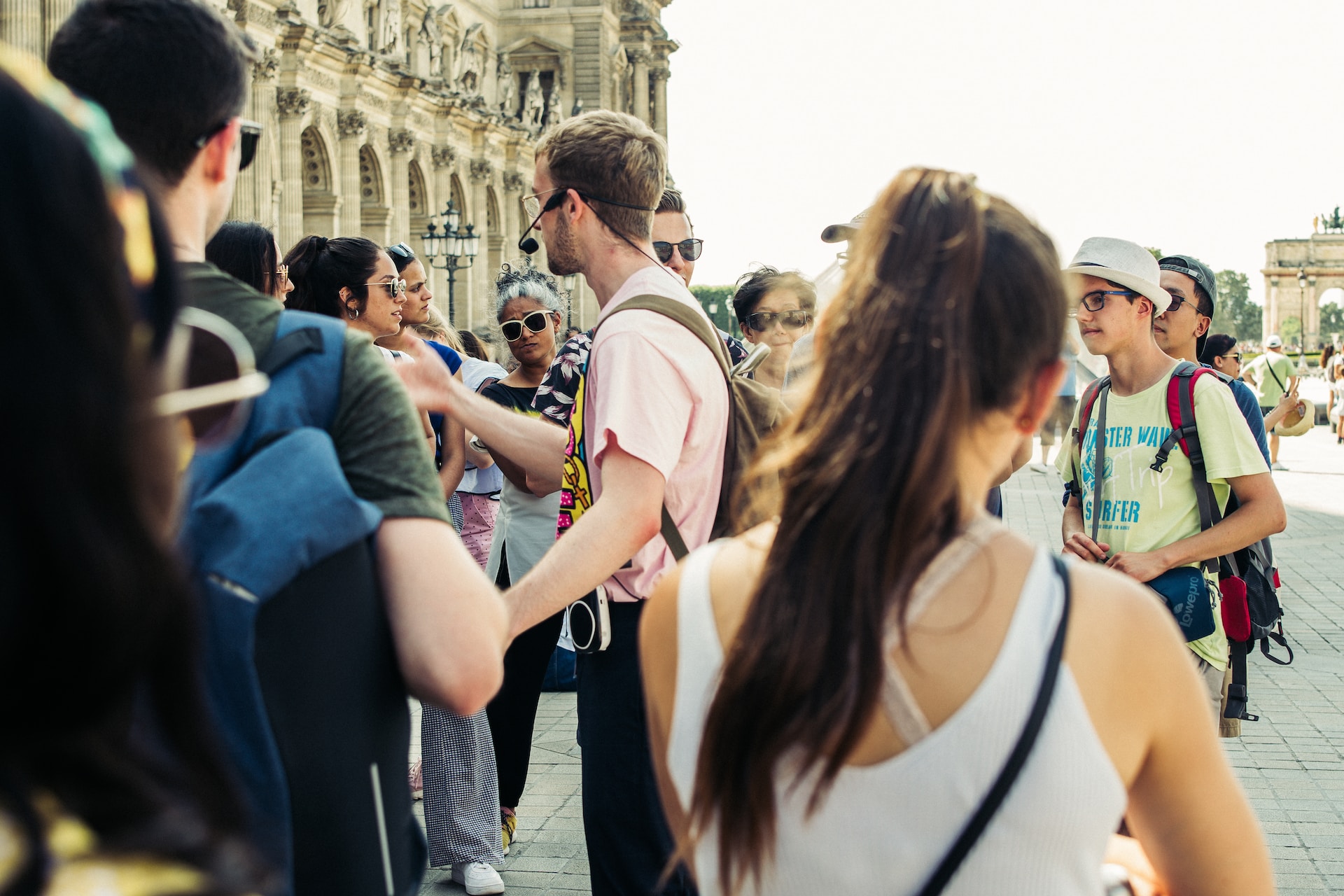
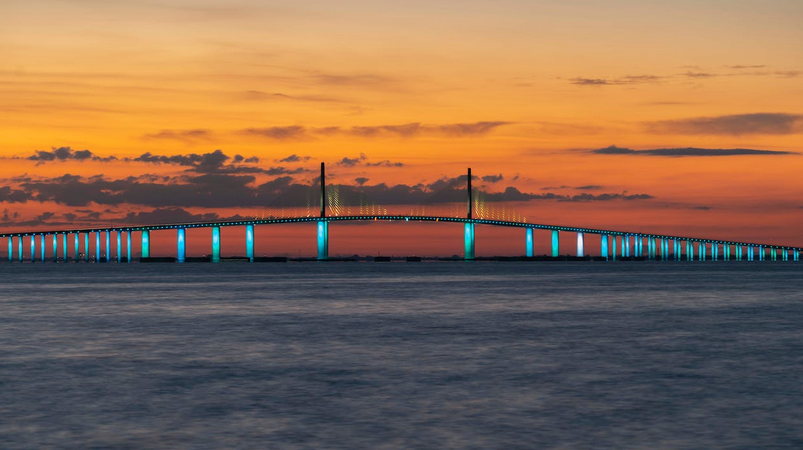
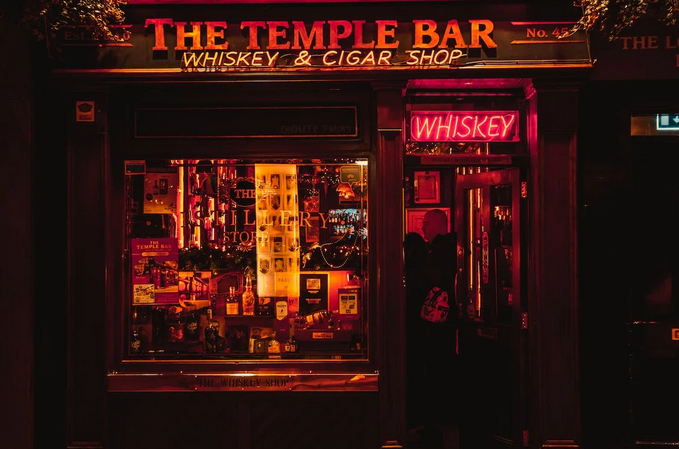

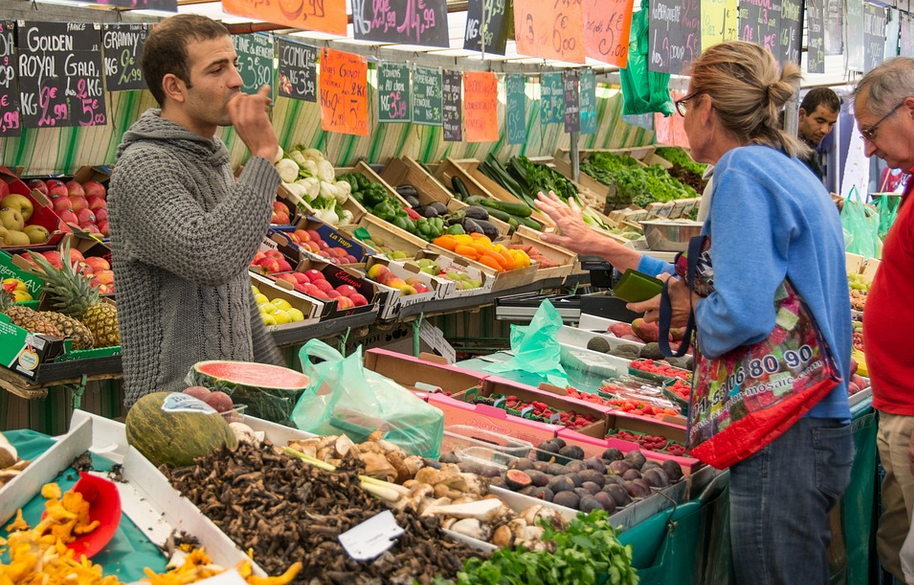
 The Kancamagus Highway is one of New England’s most famous fall foliage routes. The scenic drive takes you through the White Mountains, which boast some of the most beautiful fall colors in the region. Be sure to take plenty of stops along the way to admire the views. If you’re looking for a longer drive, you can also continue on to the Maine coast. Not only …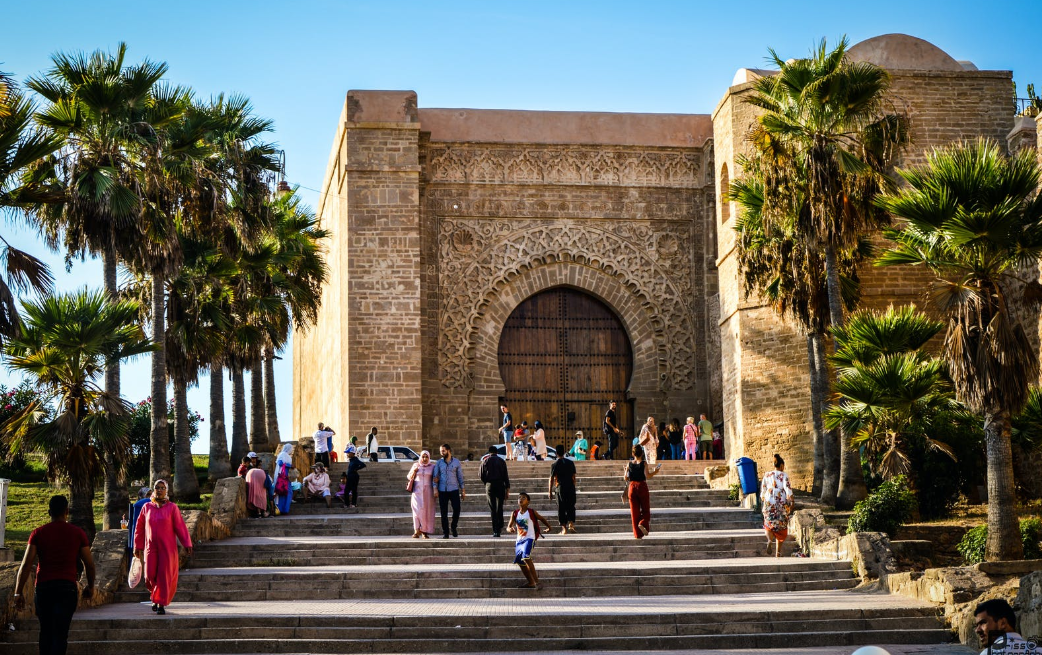
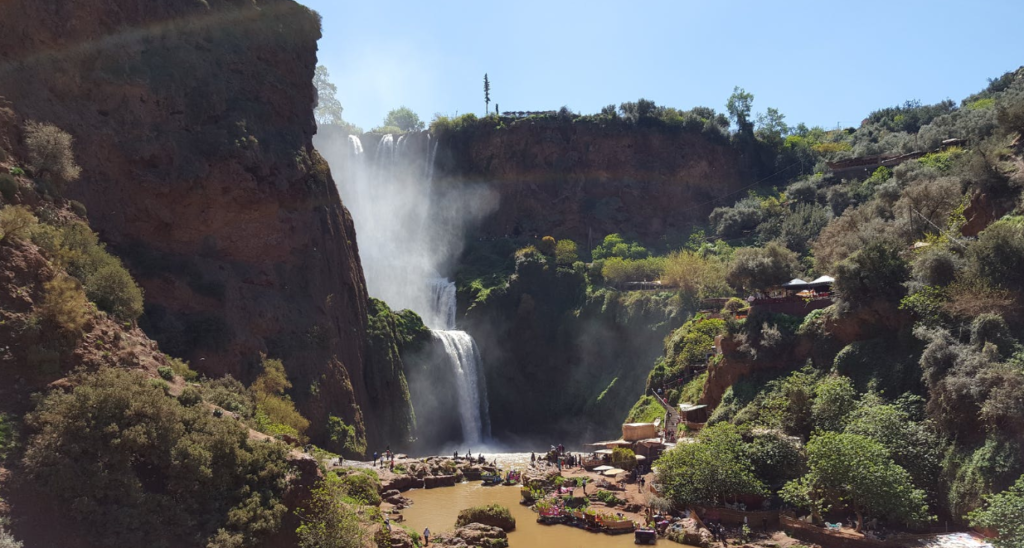 Whether looking for snow-capped peaks or red sandstone cliffs, the Moroccan mountains have it all. The High Atlas mountain range is home to North Africa’s highest peak, Toubkal, which towers at an impressive 13,671 feet.
 All-inclusive resorts can be an excellent value for your money, but that’s not always the case. Sometimes, booking a hotel room and paying for activities and meals separately is cheaper. It all depends on the location of the resort, the time of year you visit, and how long you’re planning to stay. Do your research before you book to ensure you’re getting the best deal. All-inclusive resorts can …
 Before booking a hotel room, the first thing you should do is to determine what you need. You know that your preferences and needs will vary depending on where you are going for your trip. For example, if you plan a business trip, you will want a room with an office space or enough space to meet with clients. If this is the case, you might want to consider staying in an upscale hotel like the Ritz-Carlton …
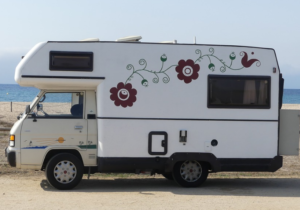
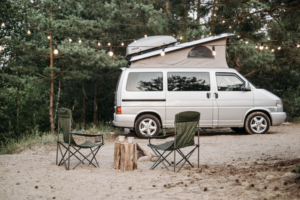 One of the most common mistakes that people make when taking their RV camping for the first time is not choosing the right type of RV. There are a few different types of RVs, and each one has its own unique set of features. Make sure you choose the RV that is best suited for your needs. For example, if you plan on taking long road trips, you may want to consider a motorhome.
 Inverter generators run more efficiently on
 Let’s start with how much you wish to travel. Have you traveled long-term before? If not, why not try traveling alone in some country for a few weeks or even longer to see how you feel? If when you get home you feel the need to keep your head up and keep planning …
 Make a list of the places you want to see and the things you want to do in a country. While it is not possible to see everything, many places should be included in your itinerary. So make a very clear list as the first step in buying an overseas vacation. Going on a family vacation is an excellent opportunity to spend quality time together. If you are planning to go away with your loved ones, make sure to opt for family accommodation. A luxury vacation hotel is a …
 The most important question to consider before
  Depending on the terrain, you may want to bring a good set of walking shoes along with …
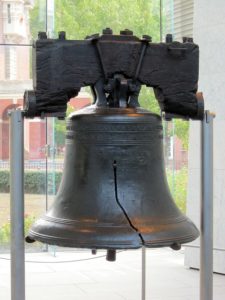 Few places in the United States offer as much historical and cultural legacy as the Philadelphia Liberty Bell and Independence Hall. Standing side by side, the two landmarks are the most iconic symbols of the American Revolution that gave birth to the young nation. Independence Historical National Park is the home to both Independence Hall and the Liberty Bell.
 Rome is one of my untouched favorite photography objections …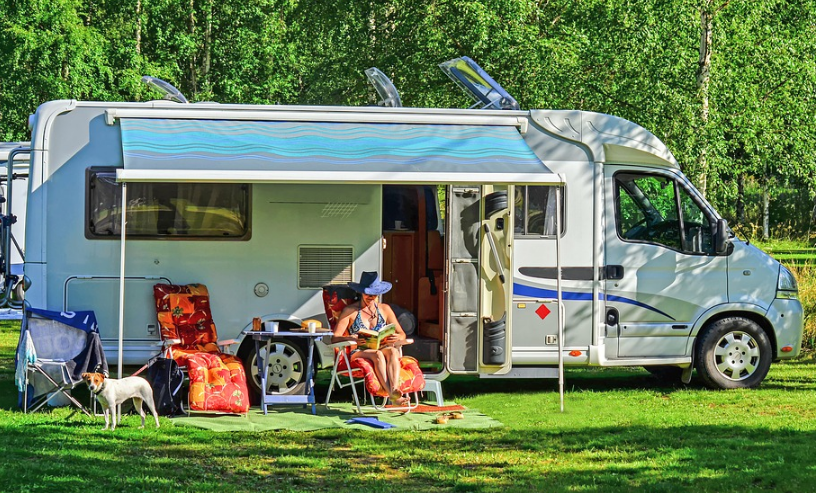
 I recently found a camping hotel I wished to visit costs $65 per night on weekends, however just $25 through this week. This information enabled my husband and me to correct our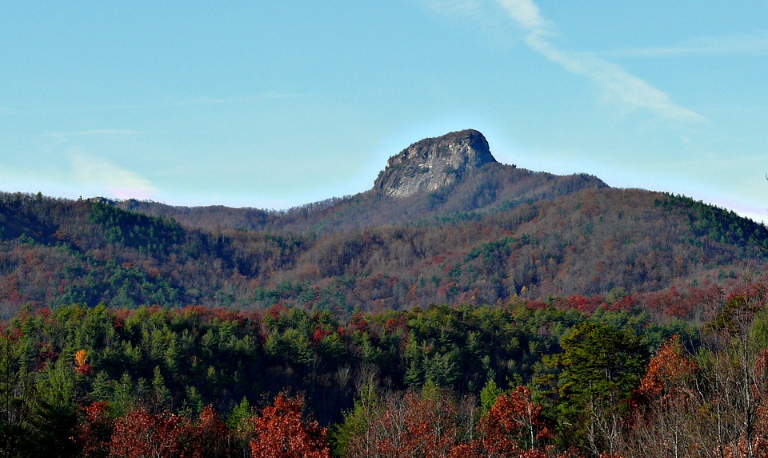






 bored if you choose something you are not passionate about. Additionally, evaluate your city to know all the popular tourist destinations, trending activities, and anything that has not been explored. Outline your opportunities and challenges by researching your competitors and identifying your market. …